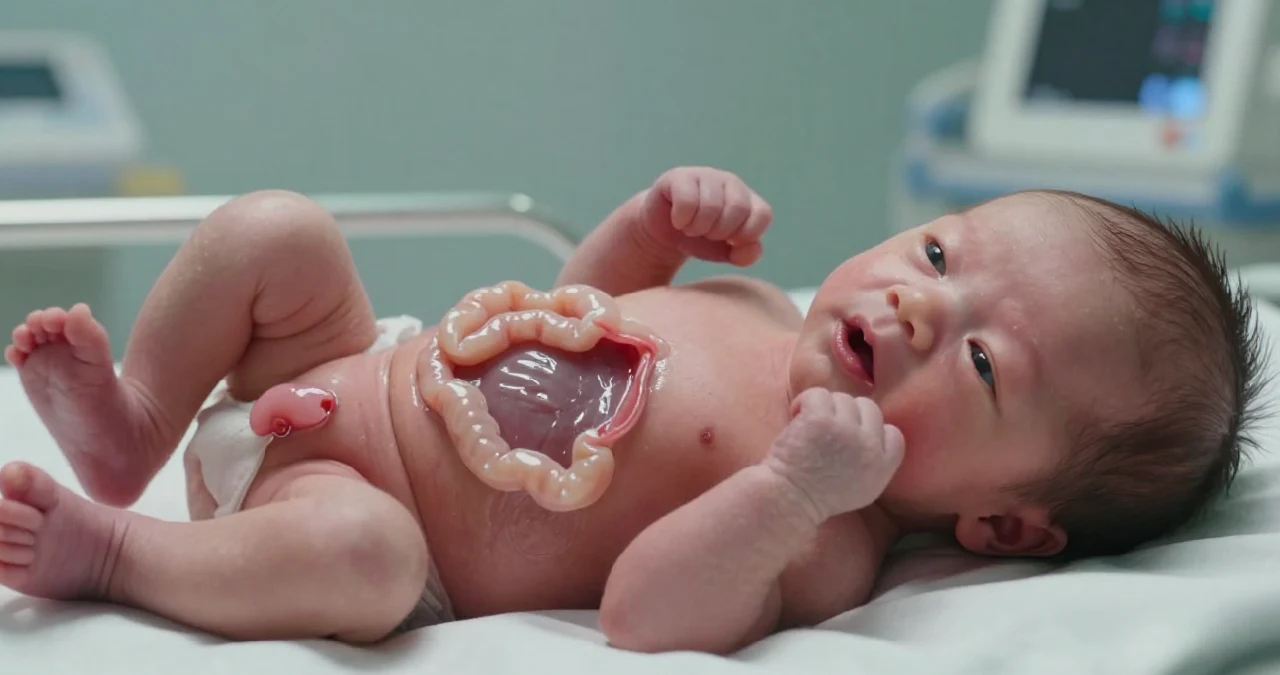
Gastroshiza is a term commonly used online to describe a rare congenital birth defect in which a newborn baby is born with intestines outside the body. Medically, this condition is known as gastroschisis. Although the spelling differs, Gastroshiza and gastroschisis refer to the same serious but treatable abdominal wall defect. Understanding its meaning, causes, symptoms, and treatment options helps parents and caregivers feel more prepared and confident.
What Is Gastroshiza? (Medical Meaning Explained)
Gastroshiza refers to a congenital abdominal wall defect where a baby is born with a hole near the belly button, allowing the intestines—and sometimes other organs—to protrude outside the body.
According to the Centers for Disease Control and Prevention (CDC), gastroschisis occurs during early fetal development when the abdominal wall does not close completely.
Gastroshiza vs. Gastroschisis
- Gastroshiza – Commonly searched, informal spelling
- Gastroschisis – Official medical diagnosis used worldwide
Trusted medical institutions like Mayo Clinic, CDC, and the UK National Health Service (NHS) recognize only gastroschisis as the clinical term.
Understanding Gastroshiza in Simple Language
Imagine the baby’s abdomen as a protective pouch. In Gastroshiza, that pouch doesn’t seal fully, leaving the intestines exposed to amniotic fluid during pregnancy. This exposure can irritate the bowel, which is why immediate medical care is essential after birth.
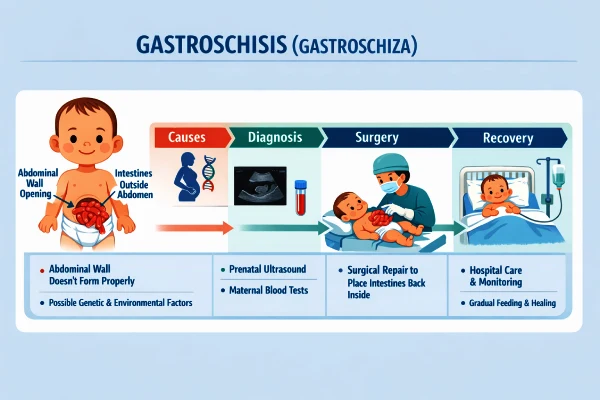
How Gastroshiza Affects Newborn Babies
Babies born with Gastroshiza usually:
- Need immediate neonatal intensive care
- Cannot feed normally at birth
- Require surgical correction shortly after delivery
Despite the dramatic appearance, most babies recover well with proper treatment.
What Happens During Fetal Development
Role of the Abdominal Wall
During early pregnancy, the abdominal wall forms to protect internal organs. In Gastroshiza, this process is disrupted.
Why the Intestines Are Exposed
Unlike omphalocele, another abdominal defect, Gastroshiza has no protective membrane, making the intestines more vulnerable to inflammation.
Causes of Gastroshiza
There is no single known cause, but medical research suggests multiple contributing factors.
Medical Factors Identified by Research
The CDC indicates that abnormal blood flow to the abdominal wall during early pregnancy may contribute to the defect.
Genetic Factors
Most cases are not inherited. Gastroshiza usually occurs sporadically, without a family history.
Environmental and Lifestyle Risk Factors
Young Maternal Age
Data from the World Health Organization (WHO) shows higher rates among mothers under 20.
Smoking, Alcohol, and Drug Exposure
Studies published by Mayo Clinic associate smoking and recreational drug use with increased risk.
Nutritional Deficiencies
Low folic acid intake may contribute, though research is ongoing.
Risk Factors Associated With Gastroshiza
Babies are more likely to be affected when:
- Prenatal care is limited
- Harmful substances are used during pregnancy
- Maternal nutrition is poor
Symptoms and Physical Signs of Gastroshiza
Visible Signs at Birth
- Intestines visible outside the abdomen
- Swollen or irritated bowel tissue
Internal Complications
- Reduced bowel function
- Difficulty absorbing nutrients
Diagnosis of Gastroshiza
Prenatal Diagnosis
Ultrasound Detection
Most cases are diagnosed during routine ultrasounds in the second trimester.
Maternal Blood Screening
Elevated alpha-fetoprotein (AFP) levels often signal abdominal wall defects.
Diagnosis After Birth
If undetected prenatally, physical examination confirms Gastroshiza immediately.
Immediate Care After Birth
Emergency Stabilization
Newborns are placed in sterile environments to prevent infection and heat loss.
NICU Management
Neonatal intensive care focuses on:
- Breathing support
- Fluid balance
- Infection prevention
Surgical Treatment Options for Gastroshiza
Primary Closure Surgery
If swelling is mild, surgeons may repair the defect in one operation.
Staged Repair Using a Silo
More commonly, a sterile pouch (silo) gradually returns the intestines over several days.
Post-Surgery Monitoring
Doctors closely monitor bowel function and healing.
Long-Term Care and Recovery
Feeding and Nutrition
Some babies need total parenteral nutrition (TPN) until digestion improves.
Growth and Development
With monitoring, most children reach normal milestones.
Possible Complications of Gastroshiza
Short Bowel Syndrome
Occurs if damaged intestine must be removed.
Infections and Sepsis
Risk is higher early on but manageable with modern care.
Intestinal Blockages
Scar tissue can cause future obstructions in some cases
Prognosis and Survival Rates
Survival Statistics
According to the CDC and NHS, survival rates exceed 90–95% in advanced healthcare settings.
Quality of Life
Most children grow up healthy with no long-term limitations.
Preventive Measures During Pregnancy
Healthy Pregnancy Habits
- Avoid smoking, alcohol, and drugs
- Maintain balanced nutrition
Importance of Prenatal Care
Early checkups increase early detection and better outcomes.
Emotional Impact on Families
A Gastroshiza diagnosis can be emotionally overwhelming. Support groups, counseling, and clear medical guidance help families cope effectively.
Living With and Beyond Gastroshiza
Childhood Outcomes
Most children live normal, active lives.
Adult Life
Long-term digestive health is usually stable.
Conclusion
Gastroshiza, medically known as gastroschisis, is a serious but highly treatable birth condition. Thanks to advances in prenatal diagnosis, neonatal surgery, and intensive care, the vast majority of affected babies survive and thrive. With the right medical support and informed care, families can face this condition with confidence and hope.
FAQs About Gastroshiza
Is Gastroshiza life-threatening?
With timely treatment, survival rates are very high.
Can Gastroshiza be detected during pregnancy?
Yes, most cases are identified via ultrasound.
Is Gastroshiza hereditary?
No strong genetic link has been identified.
Will my child have lifelong digestive issues?
Most children develop normal digestion over time.
Can Gastroshiza be prevented?
It cannot be fully prevented, but healthy pregnancy habits reduce risk.