Imagine checking in on someone you care about — maybe a friend, elderly relative, or a neighbor you’re worried about. You ask police or welfare services to do a “wellness check.” It seems harmless, compassionate even. But what if those repeated visits start to feel intrusive, violating privacy or becoming a source of stress rather than support? When does a genuine act of concern tip over into harassment? In this guide, we explore exactly that: the line between care and coercion, and how to recognize when a wellness check becomes harassment.
What Is a Wellness Check?
Purpose and Typical Circumstances
A wellness check (also called a welfare or safety check) usually involves law enforcement or authorized public-safety professionals visiting a person’s home to make sure they’re safe, especially when loved ones suspect something might be wrong. Common triggers: prolonged silence, missed contact, worrying social media posts, or sudden unusual behavior.
Who Requests Them — And Why?
Often the call comes from family members, friends, neighbors, landlords, or employers (in some cases). The goal: ensure someone isn’t in danger — physically, mentally, or medically.
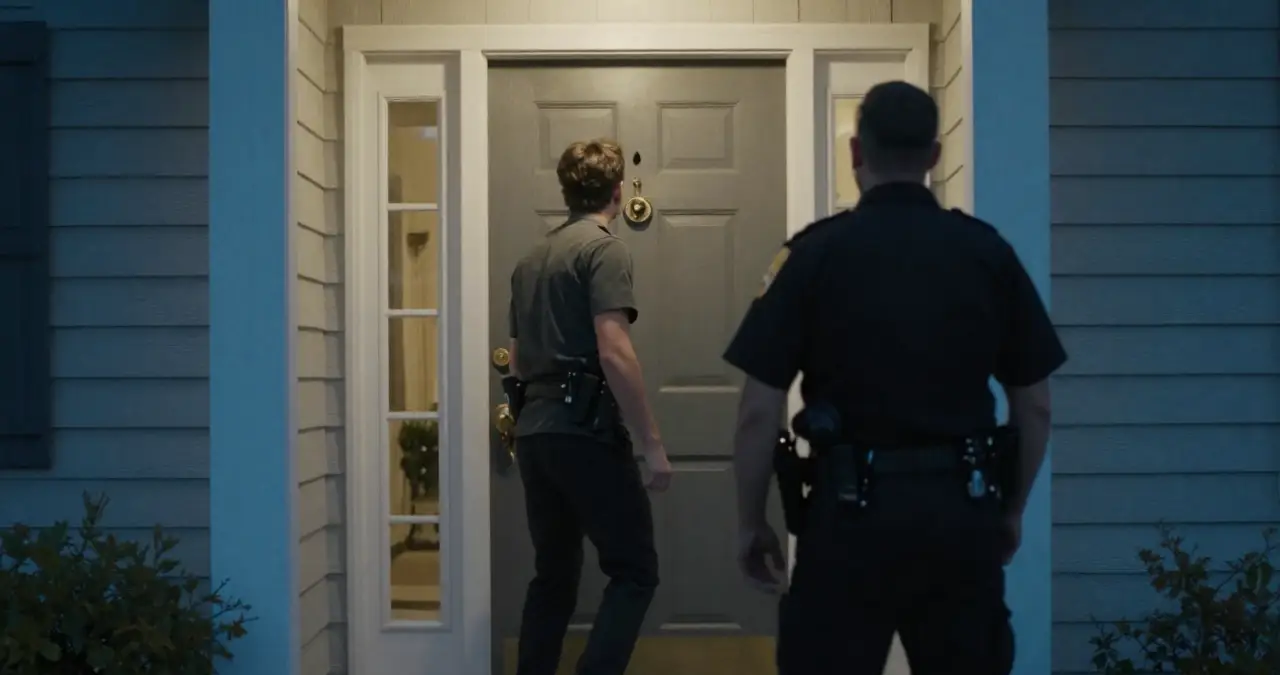
During the check, officers may knock and try to communicate. If there’s no response — and there’s reason to believe someone is at risk (uncollected mail, signs of distress, suspicious circumstances) — they may enter under “exigent circumstances.” Otherwise, they should respect privacy and refrain from forcing entry.
Why Wellness Checks Exist — The Benevolent Intent
Wellness checks serve as a community-caretaking tool. They give a safety net to people who may be isolated, vulnerable, mentally unwell, or unable to reach out. For family and friends — especially those who live far — it’s a way to check in when direct communication fails. It can even save lives in crisis situations.
And law enforcement plays a role beyond enforcement — they sometimes step in to help maintain welfare and community safety when no crime is suspected. That’s the core of the “community caretaking doctrine.”
When Wellness Checks Are Misused: The Risk of Overreach
But what happens when the system is misused? What if wellness checks become a tool for intimidation, repeated surveillance, or invasion of privacy?
Sometimes callers may use wellness checks not out of concern, but to harass — repeatedly calling police for no real reason. Or maybe someone uses it to control, intimidate, or punish another person. In these moments, what started as a protective mechanism becomes a weapon.
Because of this risk, courts and legal experts have drawn lines between genuine welfare checks and harassment. The difference often lies in intent, frequency, and respect for privacy.
Legal Rights & Boundaries: What the Law Says
The Right to Privacy & Consent
Even in a wellness check, individuals maintain their core rights. Law enforcement cannot enter a private home without:
- Consent, or
- A warrant, or
- Legitimate “exigent circumstances” (imminent danger, serious injury, etc.)
If there’s no real reason — no sign of distress or danger — a wellness check doesn’t override privacy laws.
When Warrantless Entry Is (Legally) Allowed
Exigent circumstances provide exceptions — if officers reasonably believe someone inside may be in serious trouble: unconscious, injured, or in immediate danger. Then they may enter without a warrant. But routine lack of contact or worry alone doesn’t meet that threshold.
Legal Repercussions for Misuse
If wellness checks are misused — repeatedly, without consent, or to harass — there can be civil or criminal consequences. Courts may treat persistent welfare calls as harassment or invasion of privacy. Victims may seek damages for emotional distress.
When Does a Wellness Check Become Harassment? Clear Red-Flags
Here are the key warning signs indicating a wellness check may have crossed the line:
Repeated or Persistent Checks Without New Cause
A single visit following genuine concern is usually fine. But repeated wellness checks — especially when there’s no new evidence or reason — can signal harassment. Courts view persistent unnecessary welfare calls as invasion of privacy.
No Valid Concern or Evidence of Danger
If the requests are based on vague suspicion, personal frustration, or mere annoyance — not real signs of risk — they lack legitimate justification. That undermines the purpose of a welfare check.
Using Checks as a Tool of Control, Intimidation or Punishment
Wellness checks should protect — not punish. But when used by an ex-partner, employer, or controlling acquaintance to intimidate or monitor, they shift into harassment.
Ignoring Expressed Wishes or Boundaries
If the person being checked explicitly says they don’t want these checks — yet they keep coming — it’s a clear violation of autonomy. Persistent checks after a refusal may count as harassment.
Authorities Involved Without Legitimate Cause
Calling law enforcement without clear, reasonable basis — especially repeatedly — can escalate fear and emotional distress. That transforms a protective system into a source of trauma.
Common Real-World Scenarios Where Things Go Wrong
- An ex-partner keeps calling welfare check requests after the relationship ends, even though the person is fine.
- A neighbor keeps asking for checks whenever someone hasn’t responded in chat — even if that’s just normal silence.
- An employer threatens to call police welfare checks to pressure employees back to work or force contact.
- Friends or acquaintances misuse the system in retaliation — because someone cut them off or refused to meet.
In all such cases — no matter who initiates — repeated, unjustified wellness checks become a tool of harassment rather than help.
Why This Matters — Psychological & Social Impact
Persistent or abusive welfare checks can seriously harm a person’s sense of safety and privacy.
- Emotional distress and anxiety: Constantly wondering if police are going to show up — even if you did nothing wrong.
- Loss of autonomy and trust: Feeling monitored rather than cared for.
- Potential legal & civil consequences for offenders: Misuse can lead to lawsuits, restraining orders, or harassment charges.
How to Conduct a Respectful & Responsible Wellness Check (If Concern Is Genuine)
If you genuinely care and want to ensure someone’s safety — while respecting their privacy and rights — here’s a better approach:
- Try direct outreach first: Call, text, message, or ask mutual friends/neighbors — don’t rush to involve police.
- Ensure there’s a real cause: Missed contact, unusual behavior, signs of distress, or visible danger.
- If authorities are involved — be transparent and specific: Give exact reasons, not vague fears.
- Respect boundaries: If the person responds and says they’re okay, don’t push further unless there’s real danger.
- Consider alternate help: Sometimes mental-health professionals or social-services responders — not law enforcement — are more appropriate.
If You Feel You’re Being Harassed by Wellness Checks — What You Can Do
- Document each incident: Date, time, who requested the check, frequency, and any distress caused.
- Explicitly communicate boundaries: Tell the requester (and document it) that you don’t consent to further checks.
- Seek legal advice: Repeated harassment or invasion of privacy can be grounds for legal action. Courts may treat it as harassment, not concern.
- Look after your mental health: Being repeatedly checked on — without cause — can be traumatic. Talk to someone you trust, or a mental-health professional.
Wellness Checks vs. Wellness Visits — Know the Difference
A “wellness check” often refers to a visit by law enforcement or public-safety professionals checking on someone’s safety.
A “wellness visit,” on the other hand, usually refers to voluntary mental-health check-ins or self-care visits — often by healthcare or support professionals, not police. Mistaking one for the other can lead to misunderstandings, privacy issues, or legal complications.
Balancing Concern, Privacy & Respect
Caring for someone doesn’t mean you get a free pass to invade their privacy. It’s like wanting to help a friend — but instead of knocking politely, you barged in uninvited. Good intentions matter — but so does judgment, respect, and clarity.
Before calling for a wellness check, ask yourself: “Do I truly have a reason to worry — or am I reacting out of fear, frustration, or control?”
Respect and clarity should guide care, not fear or coercion.
Conclusion
Wellness checks can genuinely save lives, support vulnerable people, and offer peace of mind. But like all powerful tools, they can be misused — turning help into harassment. When motive shifts from genuine concern to control, when checks become repeated despite boundaries, or when authorities are called without cause — that’s when wellness checks cross the line.
If you’re being subject to repeated, unwanted wellness checks: document it, assert your boundaries, and consider legal support. Your privacy, dignity, and mental peace deserve respect.
FAQs
Can a single wellness check be considered harassment?
No — one check, initiated with genuine concern, typically isn’t harassment. Harassment usually requires repeated, unnecessary, or intrusive behavior.
Do I have the right to refuse a wellness check at home?
Yes. Unless officers have a warrant or reasonable, immediate concern (exigent circumstances), you can legally refuse entry.
What if I told the police I’m fine — can they still come in?
If you clearly communicate you’re okay and there’s no visible danger, officers should respect your refusal. Further intrusion without cause may be deemed overreach.
Can repeated wellness checks lead to legal consequences for the caller?
Yes. Courts may treat persistent, unjustified welfare-check calls as harassment or privacy violation, potentially leading to civil or criminal liability.
What’s a better alternative to a police wellness check when I’m worried about someone?
Start with direct communication — call or message. If concern persists, consider contacting mental-health professionals, social services, or trusted friends rather than calling police repeatedly.