Ever scrolled your phone in bed, thinking “just one more video,” only to realize in horror: it’s 2 AM? We’ve all been there. Screens have woven deeply into our nightly routines — but that late-night scroll might not be harmless fluff. It could be quietly undermining your sleep.
In this article, we introduce the OneFramework — a simple, structured way to understand exactly how technology affects sleep health. We’ll walk through six evidence-backed effects, clear up recent scientific debate, and show you exactly how to guard your sleep without ditching your devices entirely.
Why the “OneFramework”? Understanding the Concept
If you’ve Googled “technology and sleep,” you’ve probably seen scattered advice — blue light is bad, phones before bed are harmful, etc. That’s noisy. What we need is a clear framework — a cohesive map of exactly how tech interferes with sleep. That’s the OneFramework:
- It groups the effects into six distinct, meaningful categories.
- It helps you see why technology affects sleep, not just that it does.
- It guides what to change — without demonizing all technology.
How Technology Interacts with Our Sleep Biology
Blue Light: The Hormonal Disruptor
Light, especially short-wavelength “blue light” from screens, plays a big role in controlling sleep hormones. In darkness, your body produces melatonin — the “sleep hormone” that tells your brain: Hey, time to rest.
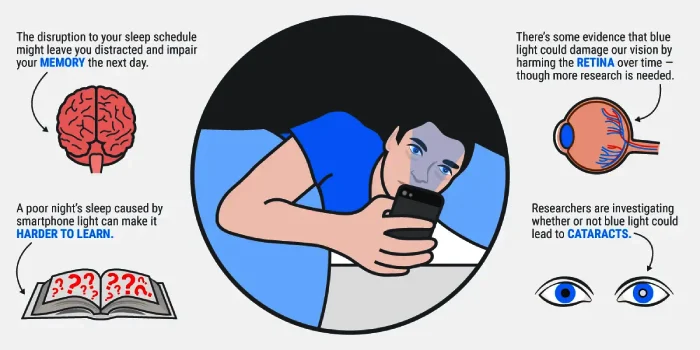
But screens emit blue light well into the evening. Studies show this can delay evening melatonin release, shifting sleep onset later.
Circadian Rhythm Shift
Our internal clock — the circadian rhythm — uses light cues to switch between day and night modes. Artificial light from screens or house lights can blur those cues, leading to “social jetlag,” delayed sleep times, and mismatched wake/sleep cycles.
Mental & Emotional Stimulation
It’s not just light. What you do on screens — doom-scrolling news feeds, social media, work emails — can stir up your mind, trigger stress or anxiety, elevate alertness. That kind of mental arousal makes it harder to relax and drift off.
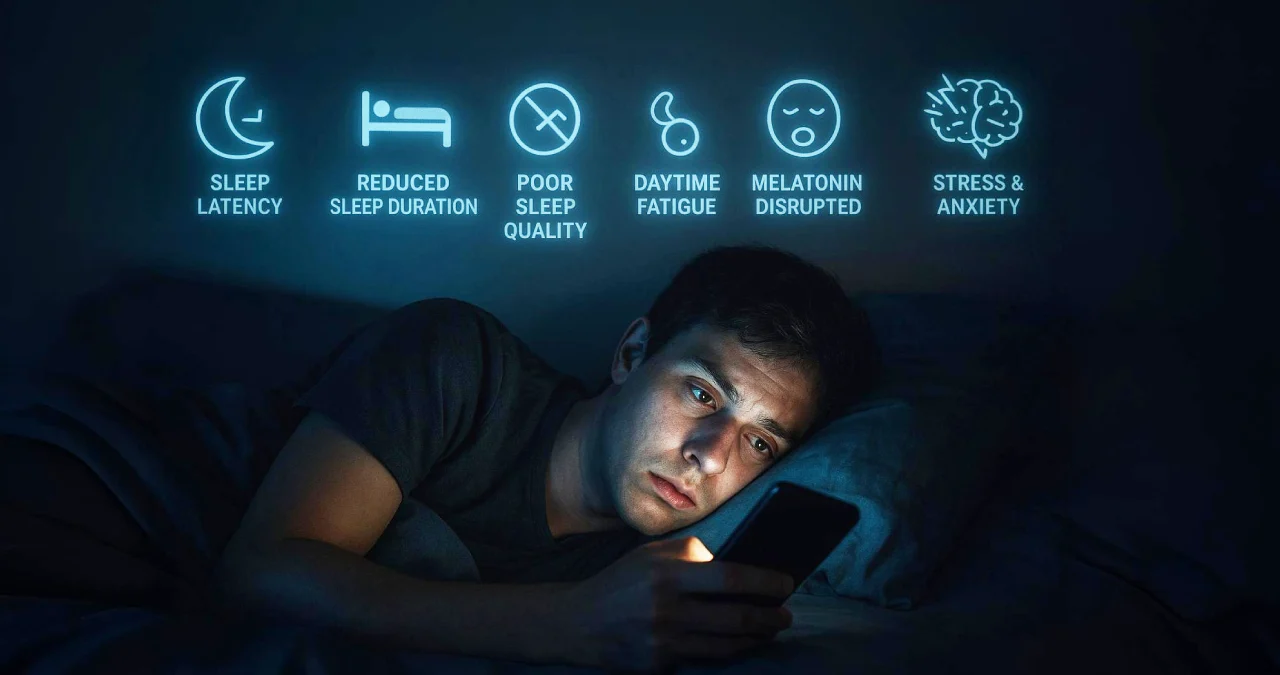
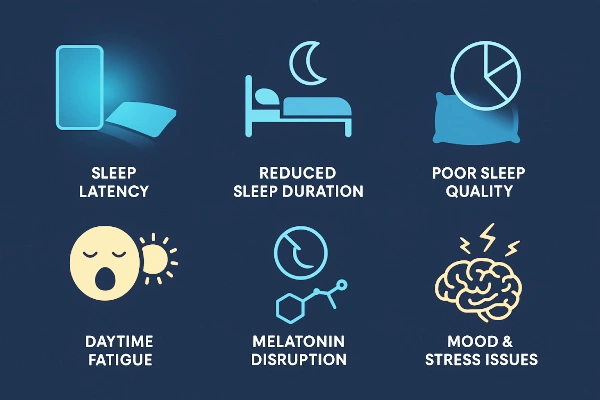
OneFramework 6 Ways Technology Affects Your Sleep Health
1. Increased Sleep Latency (Harder to Fall Asleep)
Using devices before bed often delays the moment we actually feel sleepy. A major cross-sectional study found adults who used screens in the hour before bed had shorter sleep duration and poorer sleep quality.
Even lab-based studies show that reading on a smartphone before bed delays the body’s “sleep-ready” signals.
2. Reduced Total Sleep Duration
That delay doesn’t just make you fall asleep later — it often shortens total sleep time. The same large adult study showed screen users lost on average ~7–8 minutes of sleep on workdays compared to non-users.
Over time, even small nightly losses add up — and consistent sleep deprivation can harm mood, energy, and health.
3. Poor Sleep Quality & Fragmented Sleep
Even if you get “enough hours,” screen time can compromise sleep architecture. Blue light exposure before bed has been associated with reduced slow-wave sleep, lighter sleep, and frequent awakenings.
Poor sleep quality means you wake up still feeling tired — defeating the purpose of sleep.
4. Daytime Sleepiness, Cognitive Fog & Impaired Functioning
Poor sleep carries over into the next day. With reduced duration or fragmented sleep, you’re more likely to feel drowsy, unfocused, moody, or forgetful.
5. Disruption of Hormonal & Physiological Balance
Beyond just melatonin, screen-induced light can affect body temperature regulation, alertness hormones like cortisol, and overall circadian-regulated physiology.
These disruptions can interfere with day–night balance, making restful sleep harder and reducing recovery.
6. Mental Health & Emotional Stress Effects
Late-night screen use — especially social media or intensive work — can elevate stress, anxiety, and emotional arousal. Combined with poor sleep, that can amplify mood issues, irritability, and long-term mental fatigue.
What Does Research Actually Say? Evidence, Nuance & Debate
- A large recent study of over 122,000 adults found that using electronic screens before bed was associated with a 33% higher prevalence of poor sleep quality, and roughly 8 minutes less sleep on workdays.
- Controlled lab experiments show that reading on smartphones before bed delays melatonin onset and increases time to fall asleep.
- On the flip side: some research and expert commentary argue the impact of blue-light from screens may be overestimated — noting that the amount of light emitted by a phone is tiny compared to, say, bright room lights.
- Also, recent studies show blue-light filters or “night-mode” results are mixed — they may help somewhat, but often don’t fully counteract the negative effects on sleep quality.
Bottom line: There’s strong evidence that screen use before bed negatively impacts sleep — but the effect size varies, and context (type of use, timing, user sensitivity) matters a lot.
Putting It in Perspective: Not All Screen Use Is Equally Bad
It’s important to recognize that not every moment on a screen is equal.
- Timing matters. A quick check of emails or messages a few hours before bed likely has less impact than scrolling social media right before lights-out.
- Content matters. Relaxing reading or calming music is different from emotionally charged feeds or stressful work emails.
- Environment matters. Bright overhead lights, room lighting, or other light sources at night — not just your screen — influence melatonin and circadian rhythm.
So, rather than demonizing all technology, think of sleep health in terms of habits, context, and balance.
Practical Tips (The OneFramework Sleep-Smart Strategy)
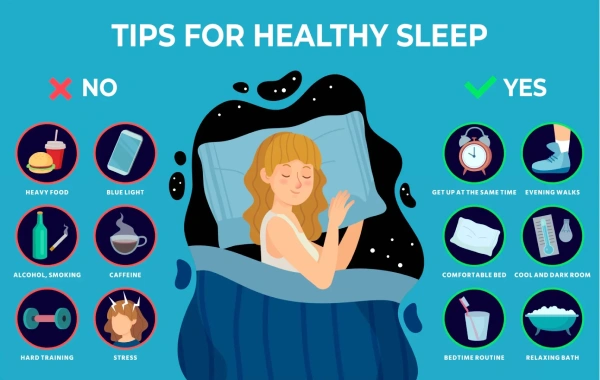
Here’s how you can apply the OneFramework to protect your sleep, without giving up tech entirely:
- Set a “screen-free buffer”: Avoid screens for at least 30–60 minutes before bed. Use this time for relaxing activities — reading a physical book, gentle stretching, journaling, or meditation.
- Dim your lighting & use warm light: Replace bright LED or overhead lights with dim, warm lamps in evening hours. Use “night-mode” or blue-light filters if you must use screens.
- Create a winding-down ritual: Calm activities like light reading, deep breathing, or soft music signal your body that it’s time to sleep.
- Keep devices out of the bedroom or away from the bed: This reduces temptation to “just check quickly,” and avoids light/light-emitting distractions.
- Stick to a consistent sleep schedule & get daylight exposure: Go to bed and wake up at similar times daily. Daylight exposure during the day helps regulate your internal clock.
- Use tech wisely: Some tech helps — sleep-tracking apps, white-noise or meditation apps, dim/warm light bulbs — use them purposefully, not as a distraction.
Common Myths & Misunderstandings
- “Blue-light filters or glasses fix everything.” — False. They help somewhat, but they can’t neutralize all effects. Mental stimulation and timing still matter.
- “It’s fine if I’m already very sleepy.” — Not necessarily. Even if you fall asleep fast, light and stimulation can impair sleep quality, reduce deep sleep stages, and disturb recovery.
- “Only teens or kids are affected.” — Not true. Adults, even older adults, show sleep disturbances linked to screen use, especially if they’re heavy evening users.
Conclusion
Technology isn’t evil. It brings convenience, entertainment, connection, even relaxation. The problem isn’t gadgets — it’s how and when we use them. The OneFramework 6 Ways Technology Affects Your Sleep Health: hormonal disruption, circadian rhythm shifts, delayed sleep onset, reduced sleep duration, poor sleep quality, and emotional/physiological stress.
But you don’t have to give it all up to protect your sleep. With simple habits — screen-free time before bed, dim light, consistent schedule, calming rituals — you can reclaim restful nights, while still enjoying the perks of the digital age.
Sleep may just be the first app you install to upgrade real-life performance.
FAQs
Does using “blue-light filter” or “night-mode” make evening screen use safe?
It helps — but it’s not a silver bullet. Blue-light filters reduce some of the disruptive light, but screen content and timing still influence sleep.
How long before bed should I stop using devices to get good sleep?
Aim for at least 30–60 minutes of screen-free time before bed. For maximum benefit, try starting your digital curfew earlier.
Q3: Is all screen use equally harmful, even daytime TV or work on a laptop?
No — context matters. Daytime screen use has minimal impact on sleep. Evening use (especially close to bedtime), bright lights, and emotionally stimulating content are key factors.
Can sleep-tracking apps or wearables help improve my sleep when using tech?
Yes — if used smartly. Tracking apps can raise awareness of sleep patterns, and relaxation or white-noise apps can help wind down if used before your “screen-cutoff.” But avoid screens right before bed.
Does everyone react the same way to evening screen time?
No — sensitivity varies. Age, chronotype (whether you’re a “night owl” or “morning lark”), lifestyle, and baseline sleep hygiene all influence how strongly screens affect you.