Pregnancy brings incredible changes—and your skin often feels the impact first. Hormonal shifts can trigger acne, dryness, pigmentation, or increased sensitivity, leaving many moms-to-be wondering about safe skincare options.
This is where Hydrafacial During Pregnancy catches attention. Touted as gentle, non-invasive, and effective, it promises radiant, hydrated skin—but is it really safe for both you and your baby?
In this guide, we break down everything you need to know: dermatologist-backed insights, pregnancy-safe ingredients, and trimester-specific recommendations to help you make an informed choice.
Why Skincare Needs Extra Care During Pregnancy
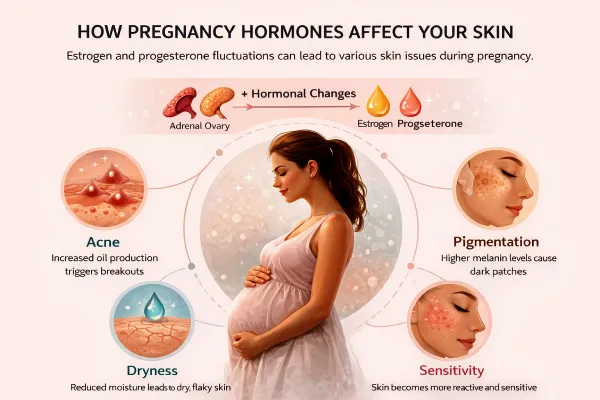
Pregnancy hormones—especially estrogen and progesterone—can:
- Increase oil production → acne
- Trigger melasma (dark patches)
- Make skin more sensitive and reactive
Many over-the-counter products become unsuitable, which makes professional treatments tempting—but caution is essential.
What Is a Hydrafacial?
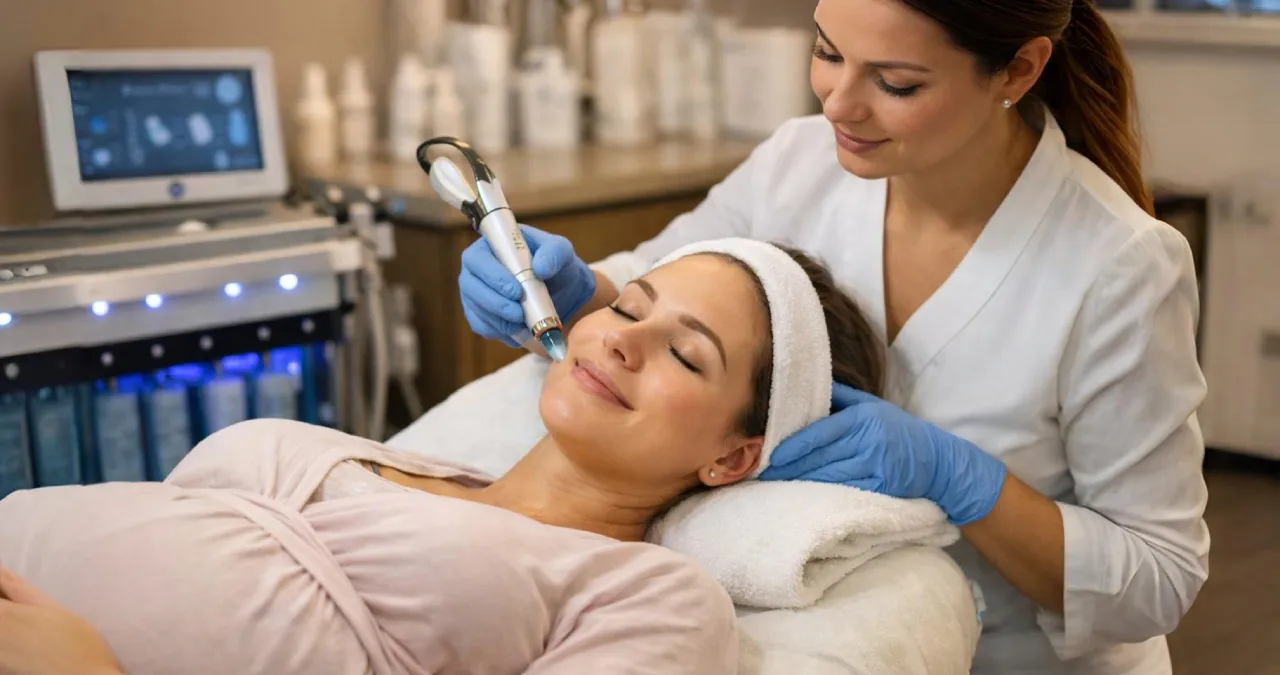
A Hydrafacial is a non-invasive, medical-grade facial treatment that combines:
- Cleansing
- Gentle exfoliation
- Painless extraction
- Deep hydration
- Antioxidant infusion
It uses a patented vortex suction system rather than aggressive scrubs or heat-based devices.
Why Pregnant Women Choose Hydrafacial Treatments
Pregnancy-safe Hydrafacial treatments appeal because they:
- Have no downtime
- Are customizable
- Avoid harsh exfoliation
- Deliver instant hydration and glow
Common pregnancy skin concerns include:
- Hormonal acne
- Dull skin
- Dehydration
- Increased sensitivity
Is Hydrafacial During Pregnancy Safe?
Dermatologist Consensus
Most dermatologists agree that Hydrafacial is safe during pregnancy when modified appropriately. The procedure itself does not involve:
- Lasers
- Radiation
- Electrical currents
- Deep chemical penetration
The real safety factor lies in the ingredients used, not the machine.
Hydrafacial Ingredients: What’s Safe and What’s Not?
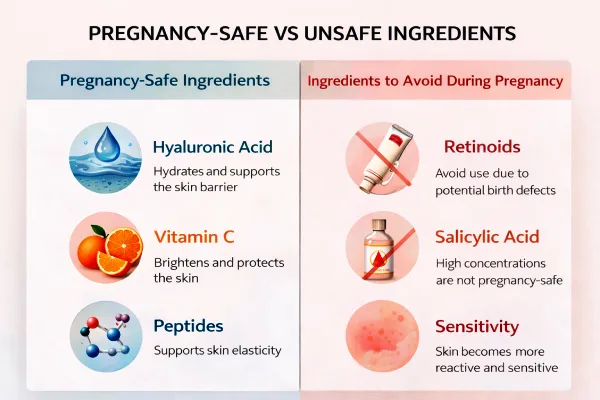
✅ Pregnancy-Safe Ingredients
- Hyaluronic Acid – Deep hydration, completely safe
- Vitamin C (low strength) – Brightens skin
- Peptides – Support skin barrier
- Antioxidants – Protect against environmental damage
❌ Ingredients to Avoid During Pregnancy
- Salicylic Acid (high concentration)
- Retinoids / Retinol
- Strong chemical peels
- Hydroquinone
Always request pregnancy-safe alternatives.
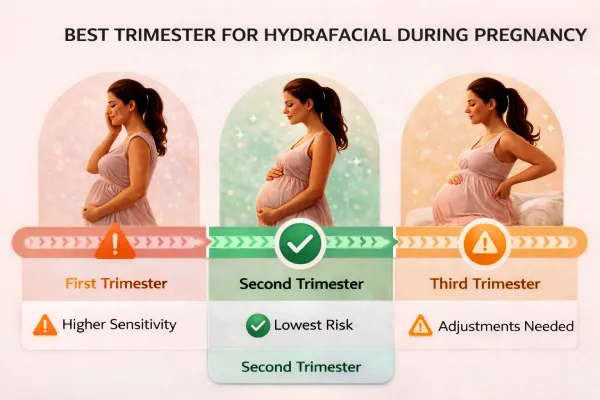
Trimester-Wise Hydrafacial Safety Guide
First Trimester
- Most sensitive period
- Many professionals recommend postponing non-essential treatments
Second Trimester (Best Time)
- Hormones stabilize
- Lowest risk window
- Most comfortable for treatments
Third Trimester
- Generally safe with modifications
- Avoid lying flat for long periods
Benefits of Hydrafacial During Pregnancy
When customized correctly, benefits include:
- Gentle exfoliation without irritation
- Immediate hydration and glow
- Improved skin texture
- Reduced congestion without harsh acids
Possible Side Effects
Although rare, some women may experience:
- Temporary redness
- Mild tingling
- Sensitivity due to hormonal changes
Patch testing is highly recommended.
How Clinics Customize Hydrafacial for Pregnant Women
A pregnancy-safe Hydrafacial protocol typically includes:
- Skipping acids
- Avoiding retinol-based boosters
- Using soothing, hydrating serums
- Adjusting treatment time and positioning
Hydrafacial vs Other Pregnancy Facial Treatments
| Treatment | Pregnancy Safety |
| Hydrafacial (modified) | ✅ Safe |
| Basic facials | ✅ Generally safe |
| Chemical peels | ❌ Not recommended |
| Laser treatments | ❌ Avoid during pregnancy |
Questions to Ask Before Booking a Hydrafacial
- Are all products pregnancy-safe?
- Can salicylic acid and retinol be excluded?
- Do you offer prenatal Hydrafacial options?
- Have you treated pregnant clients before?
At-Home Alternatives Between Treatments
Maintain results with:
- Gentle cleansers
- Hyaluronic acid serums
- Mineral sunscreen (zinc oxide)
- Fragrance-free moisturizers
Medical Disclaimer
This article is for informational purposes only and does not replace professional medical advice. Always consult your dermatologist or healthcare provider before undergoing any cosmetic treatment during pregnancy.
Final Verdict: Should You Get a Hydrafacial While Pregnant?
✔ Yes—Hydrafacial During Pregnancy can be safe and beneficial when:
- Performed by trained professionals
- Customized for pregnancy
- Free from restricted ingredients
Think of it as prenatal fitness for your skin—safe, refreshing, and supportive when done responsibly.
FAQs
Can I get Hydrafacial every month during pregnancy?
Yes, with pregnancy-safe protocols and professional approval.
Is Hydrafacial safe for pregnancy acne?
Yes, if salicylic acid and retinoids are avoided.
Can Hydrafacial harm my baby?
No evidence suggests harm when performed safely.
Which trimester is best for Hydrafacial?
The second trimester is generally ideal.
Should I consult my doctor first?
Yes—especially if you have sensitive skin or complications.